For centuries, much of our visual culture — from classical painting to contemporary digital media — has represented reality as something stable, defined, and linear. These representations reinforce the idea that the world exists in a single observable state.
Yet many contemporary disciplines — including quantum physics, neuroscience, and perception theory — suggest something very different: that reality may be far more complex, where multiple possibilities can coexist until they are observed or interpreted.
Inspired by the idea of probability clouds in quantum physics, the project imagines reality as a dynamic field of possibilities where multiple states may exist simultaneously.
Within this framework, clouds become a visual metaphor for thought, perception, and consciousness — forms that do not possess a fixed structure, but constantly change depending on the observer’s perspective.
If art can represent reality as a field of simultaneous possibilities, then people may experience an expansion of perception and begin to question the idea of a single fixed reality.
Through Clouds of Consciousness, I seek to create spaces where perception becomes fluid and reality reveals itself as an open system of possibilities.
In these spaces, the viewer is no longer a passive observer.
They become an active participant within a constantly evolving field of consciousness.
Clouds of Consciousness invites us to imagine reality not as something static, but as a living landscape of possibilities waiting to be percieved.
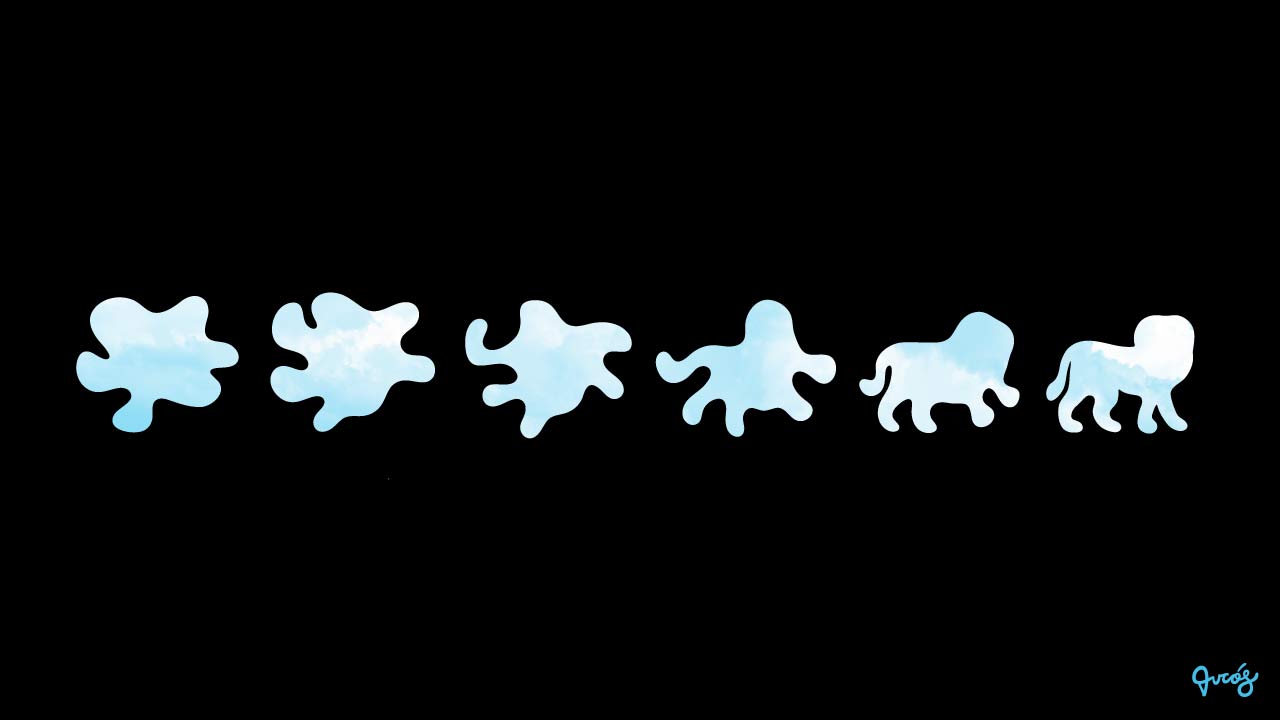
Leo - Metamorphosis (2025)
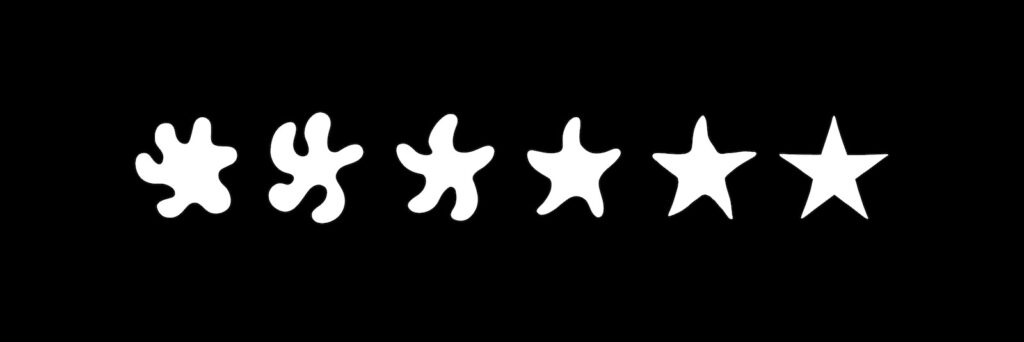
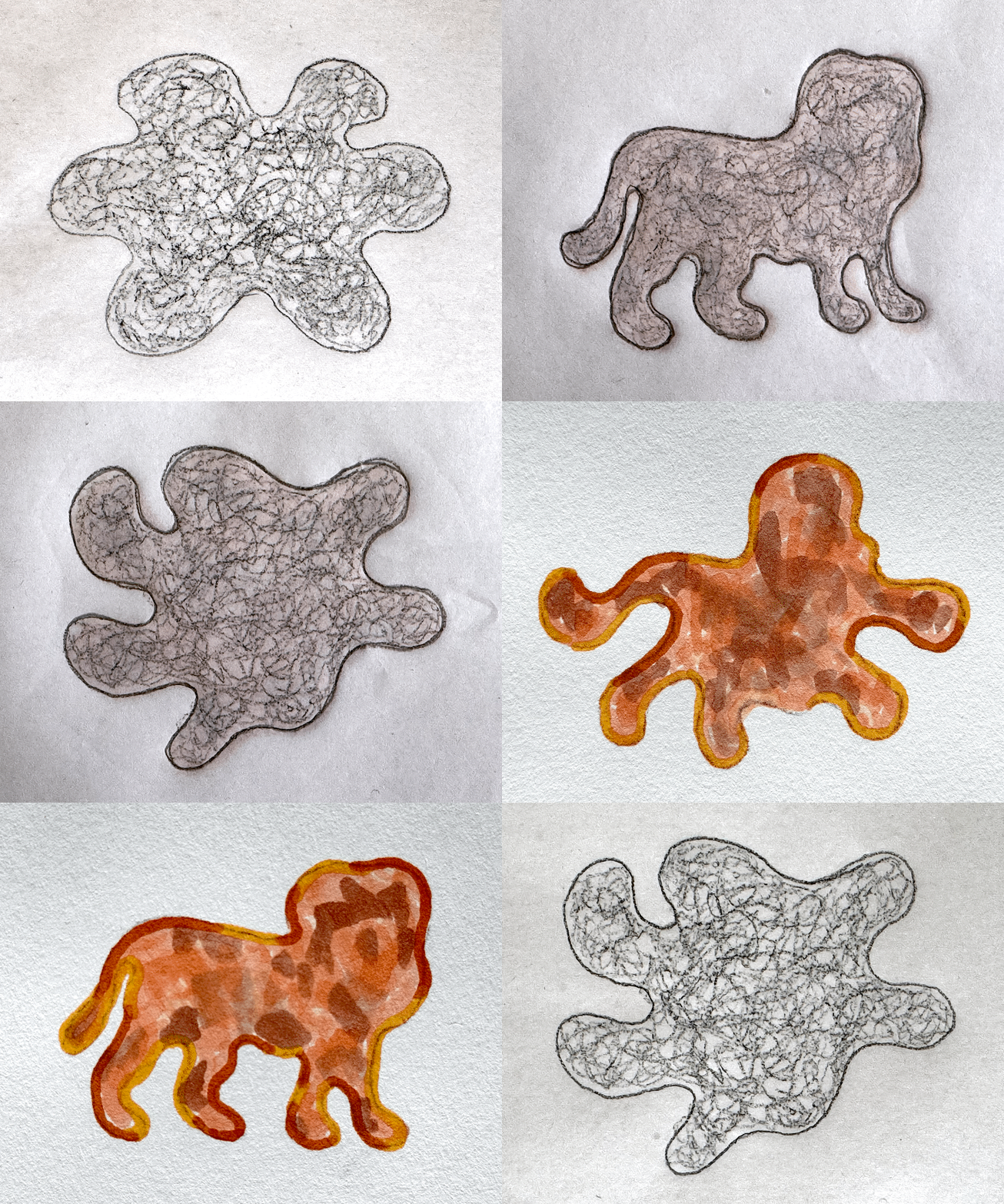
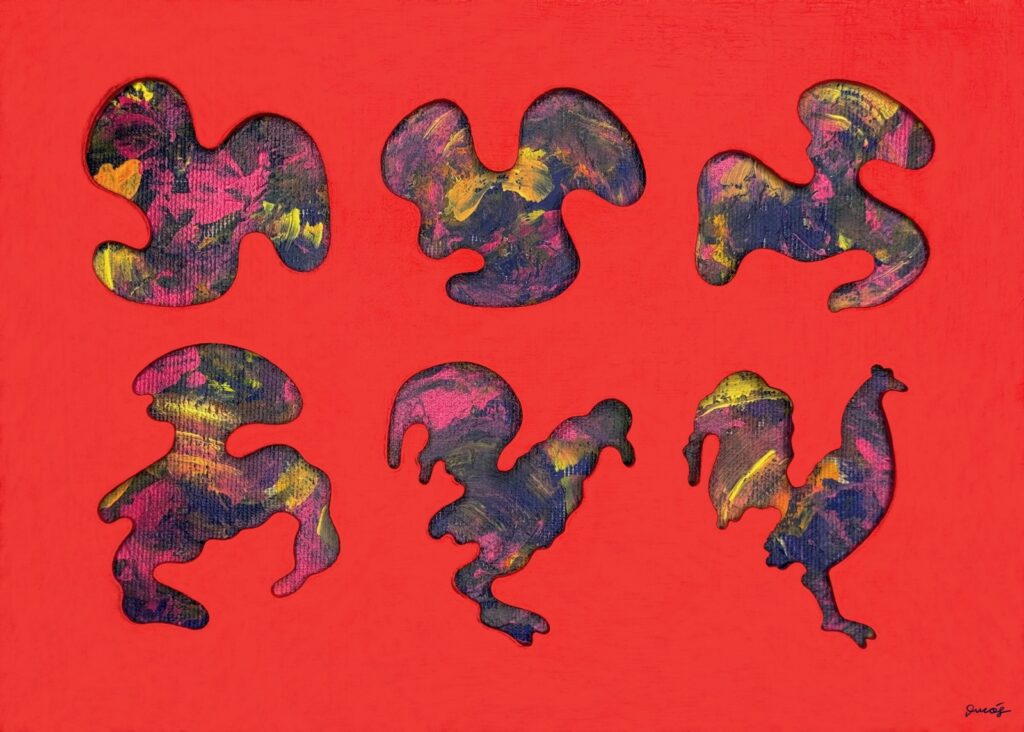
Clouds form, dissolve, and reorganize continuously. They exist in a state of transformation, revealing recognizable shapes only for brief moments before returning to abstraction.
Each medium functions as a different dimension of exploration, allowing the same conceptual universe to manifest through multiple visual languages.
Screens can become canvases.
Data can become pigment.
Architectural spaces can transform into perceptual environments.
Living Visual Environments
Many of my recent works explore how visual systems can evolve over time through generative processes, data inputs, and audience interaction.
In these environments forms appear and dissolve continuously, visual structures reorganize themselves and new patterns emerge from complex systems.
When these systems are installed within architectural spaces, the artwork becomes an evolving perceptual landscape rather than a static object.
The audience is no longer a passive observer.
Their presence — through movement, sound, or proximity — can influence the transformation of the visual field, turning perception itself into part of the artwork.